LoonLevel
One undetected defect can cost an entire batch. LoonLevel inspects every bottle in real time — cap, level, label, barcode — with configuration defined for the line.
LoonLevel inspections
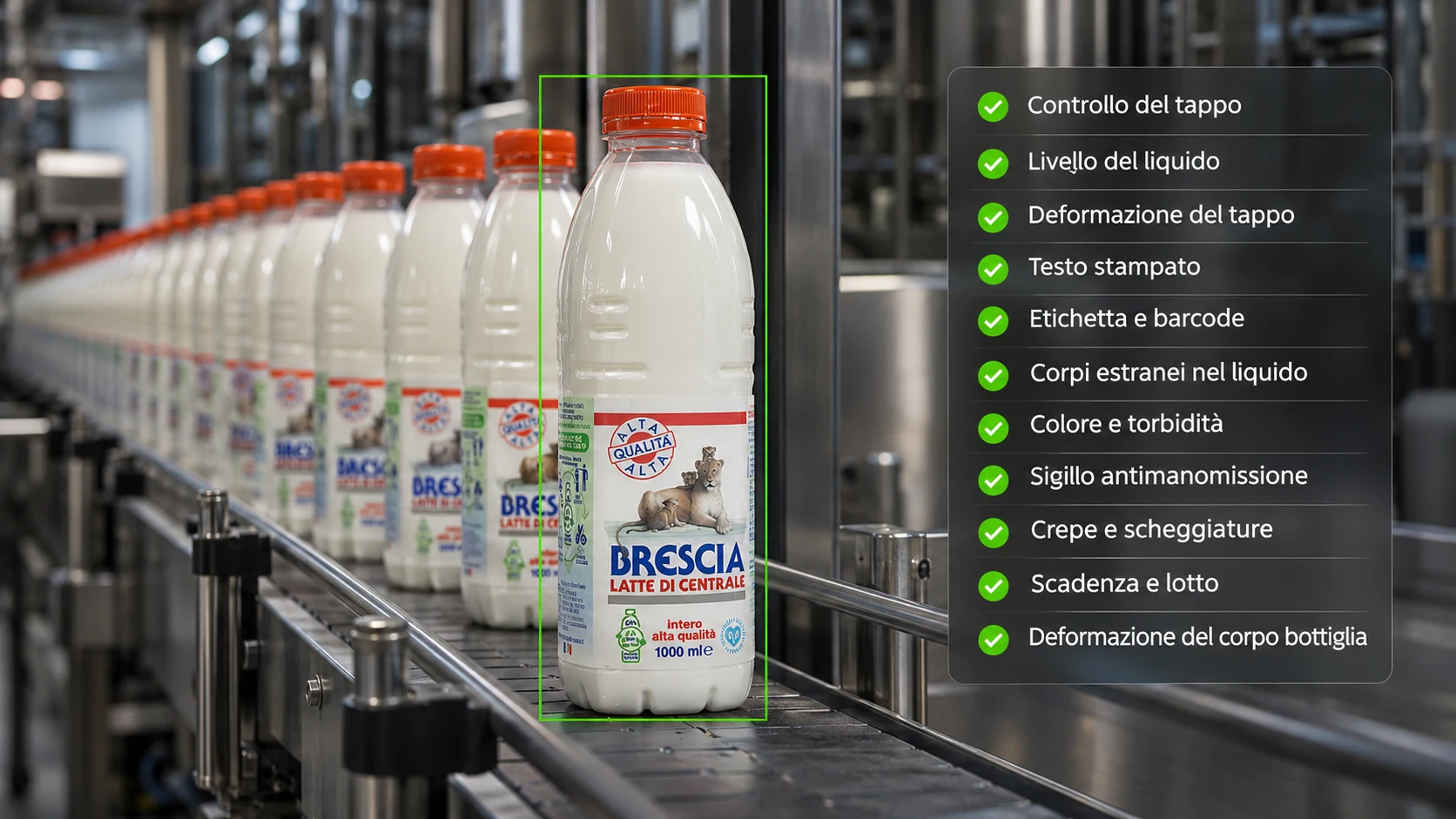
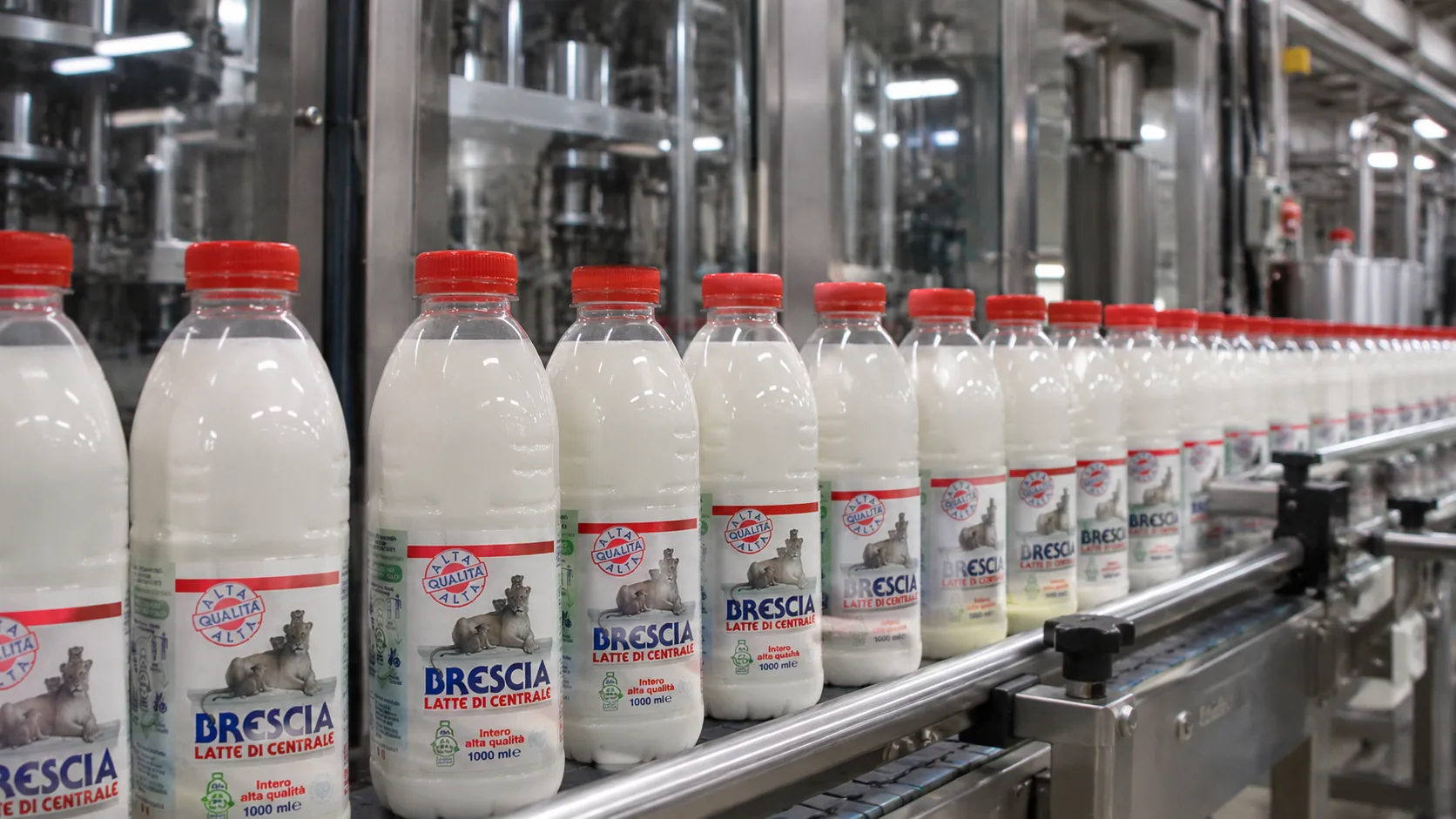
LoonLevel performs at least five types of inspection on every bottle passing along the conveyor; six more checks are configurable on request, according to the needs of the line.
Cap inspection
Verifies cap presence and correct positioning: tilting, missing caps, abnormal seating or rotation.
Liquid level
Measures fill level and flags both under- and over-fills that are out of tolerance.
Cap deformation
Detects structural defects in the cap: crushing, dents or moulding imperfections.
Printed text
Checks the legibility and correctness of text printed directly on the bottle body or neck.
Label and barcode
Verifies correct label application and reads barcodes for product traceability.
Foreign bodies in liquid
Detects particles, sediment or foreign objects suspended inside the bottle contents.
Colour and turbidity
Analyses liquid colour and detects turbidity anomalies, for example in wine, juices, oils and beverages.
Tamper-evident seal
Verifies the integrity of the security ring or anti-opening seal applied to the cap.
Cracks and chips
Identifies micro-fractures, cracks or chips on the body and neck of glass or plastic bottles.
Expiry date and batch (OCR)
Reads and validates the expiry date and batch number printed or embossed via OCR recognition.
Body deformation
Checks the overall container geometry: ovalisations, crushing or irregularities in the bottle profile.
See the difference
LoonLevel overlays inspection results directly onto the bottle image in real time. The result of each check is visible on the image.
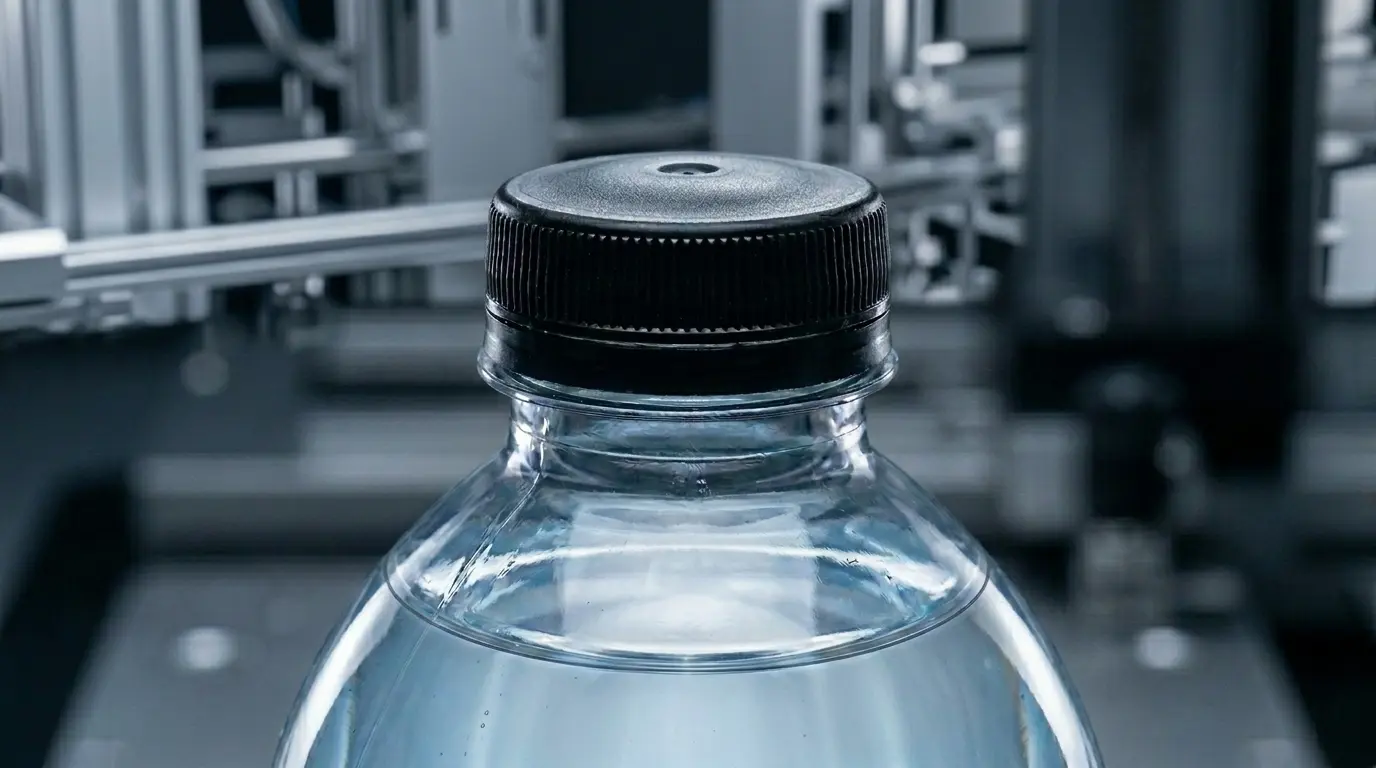
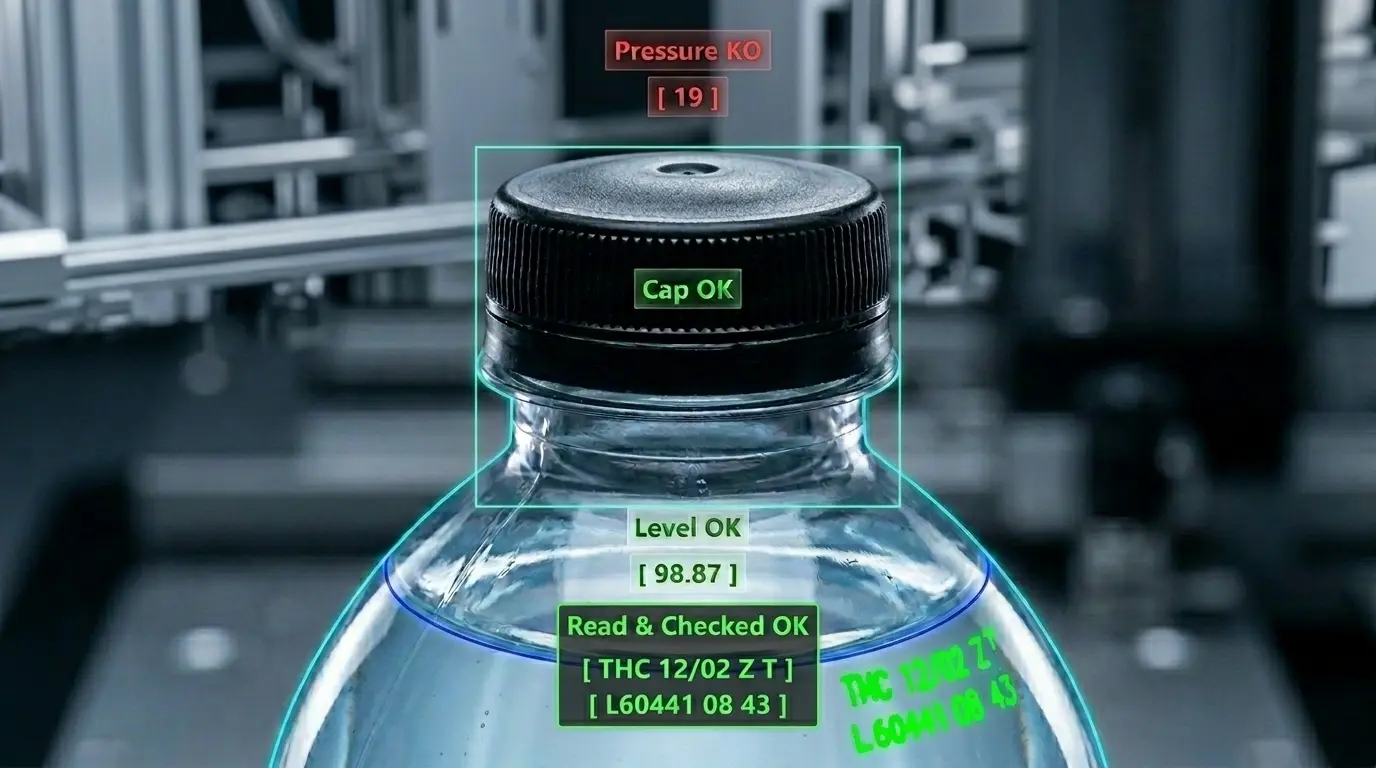
Drag or use the keyboard to explore the example. Annotations and values belong to the illustrative product image, not live measurements.
Compare coverage,
checks and data
Compare coverage, throughput and available data for the same application.
| Criterion | Manual inspection | LoonLevel |
|---|---|---|
| Bottle coverage | Samplingper procedure | 100% |
| Checks per bottle | Per procedure | 5+ |
| False reject rate | Depends on criterion and operator | 0 stated |
| Format change | Manual procedure | Recipe recall |
| Audit reports | Manual records | Generated by the system |
| MES/SCADA integration | Manual data entry | OPC UA · Modbus · API |
| Installation time | — | 1–2 days |
| Operating effort | Staff dedicated to inspection | Supervision of results and rejects |
Industrial hardware,
built for the line
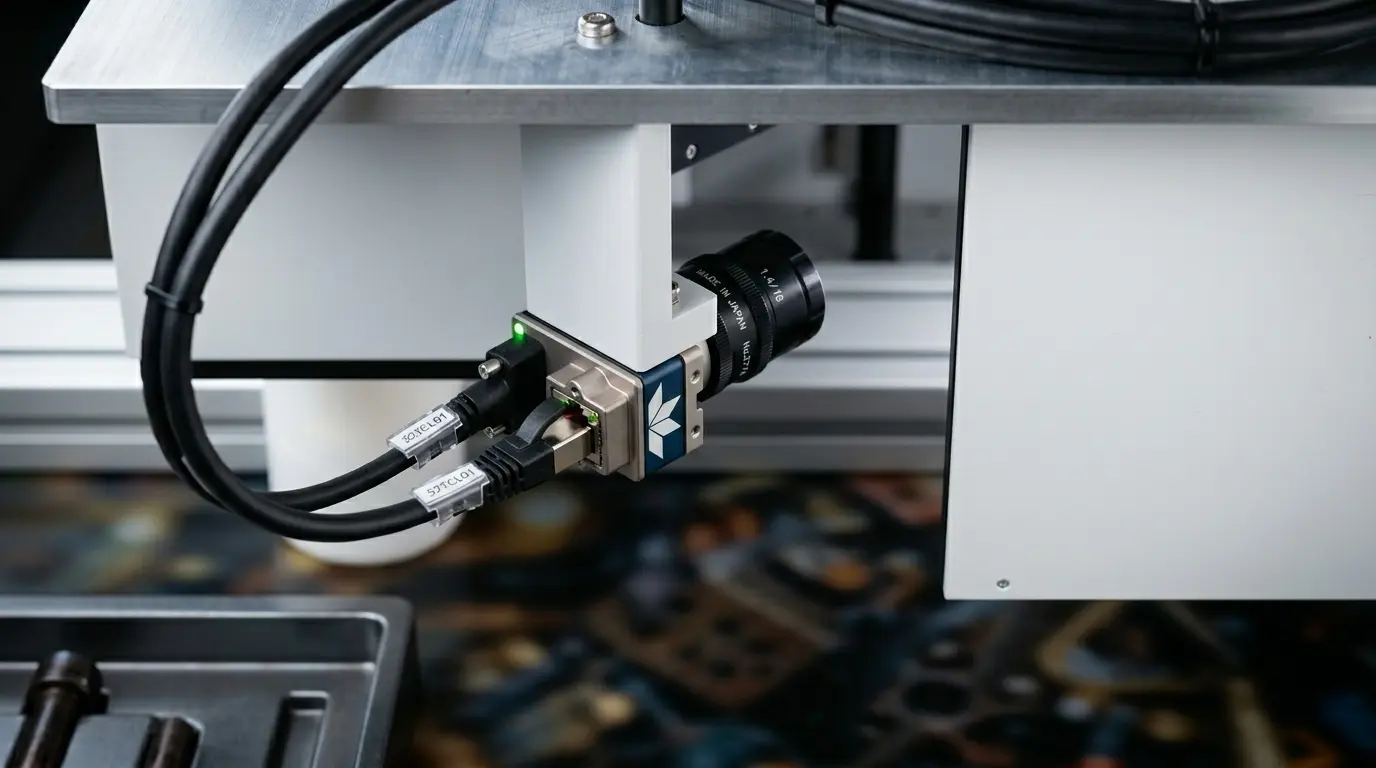
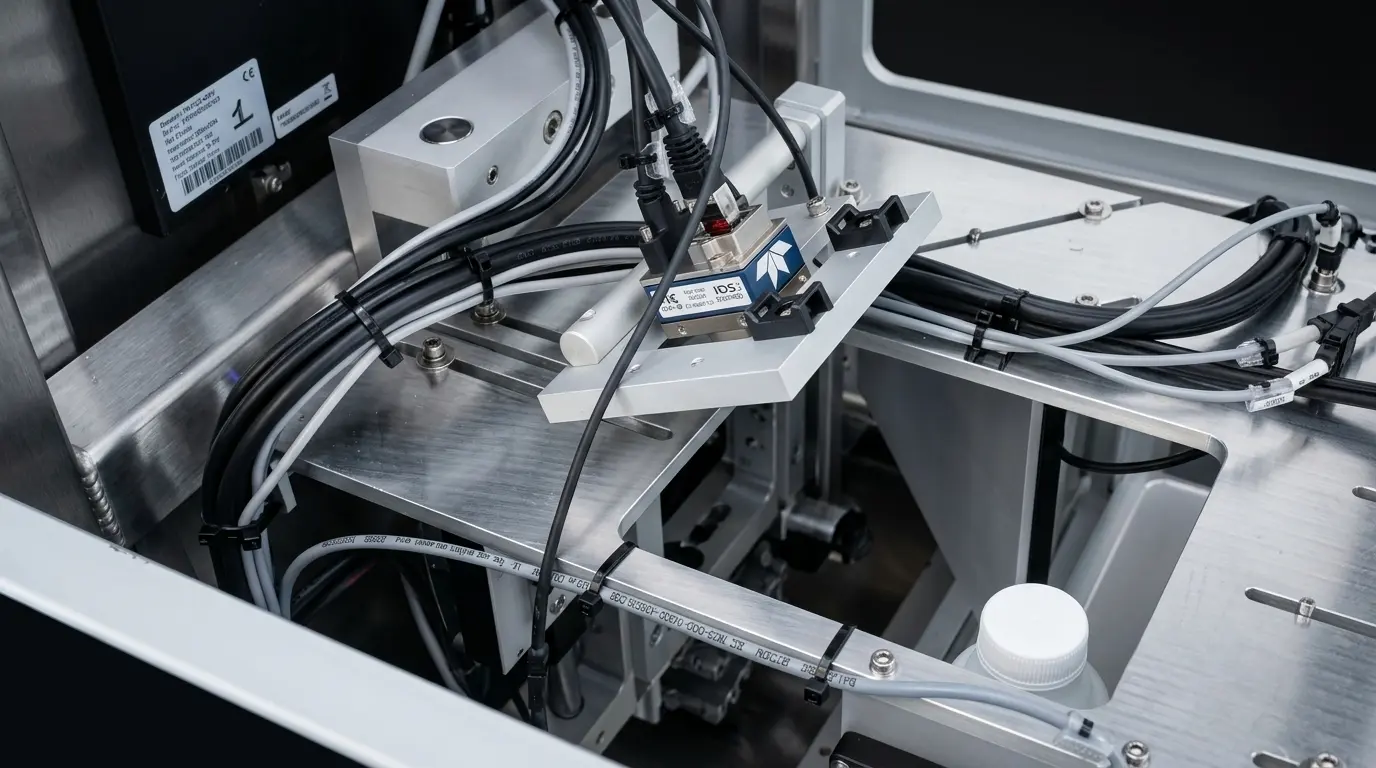
High-resolution industrial cameras, dedicated lighting and high-performance processing units. Compact, robust and designed for conveyor integration, subject to available space.
Frequently asked questions
Does it work with my line speed?
LoonLevel is designed for lines up to 72,000 bottles/hour (20 per second). For higher speeds we design custom configurations — contact us for a specific analysis.
Does it work with glass, PET and HDPE?
LoonLevel is designed for transparent or translucent glass, PET, HDPE and PP containers. Compatibility is assessed for the container and product. We support formats from 0.1 L up to 5 L containers.
Does it integrate with my MES or SCADA?
LoonLevel supports OPC UA, Modbus TCP/RTU, standard digital I/O and REST API. Integration with MES, SCADA and traceability systems is defined for the customer’s infrastructure.
How long does installation take?
Installation typically takes 1–2 working days. Timing and any required downtime are agreed for the project. Our team handles installation, calibration and staff training directly on-site.
How does after-sales support work?
Remote support with secure system access and on-site visits, with coverage agreed for the project. Inspection parameters can be modified through the interface without requiring a technician.
How many false rejects does it generate?
The value stated for LoonLevel is zero false rejects.
The value is not a guarantee of no false rejects on every line. The rate must be validated on agreed samples and operating conditions.
Food & beverage
Tell us about your line
Describe the container, required checks and throughput. We assess samples and line conditions to define the inspection.
Describe your line